Showing posts with label Baikal. Show all posts

Thursday, 1 August 2019

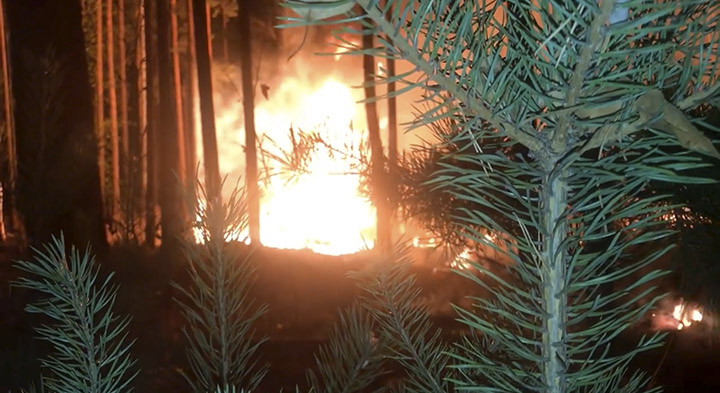
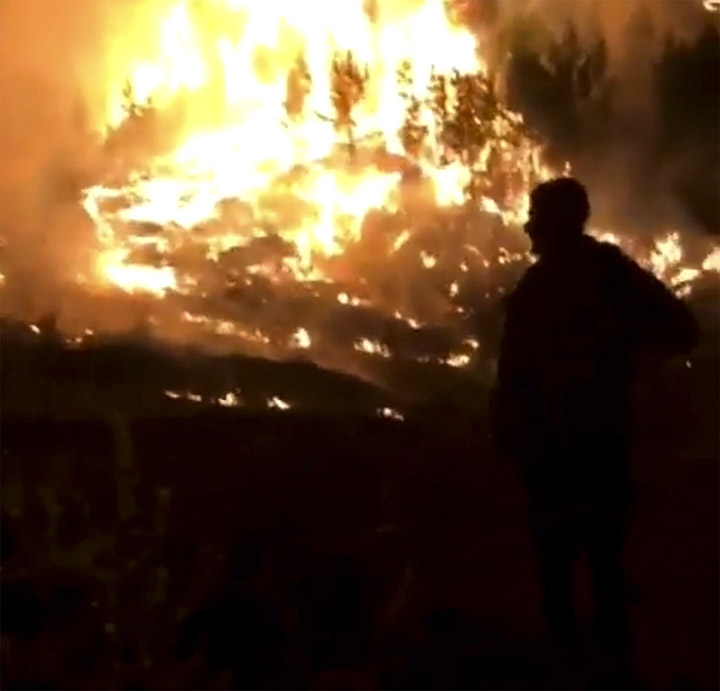
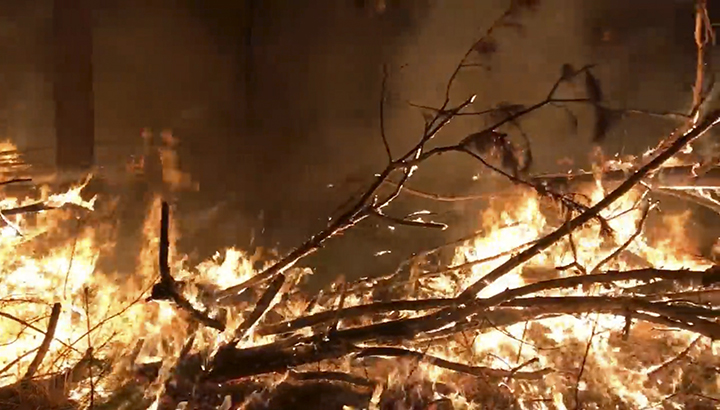
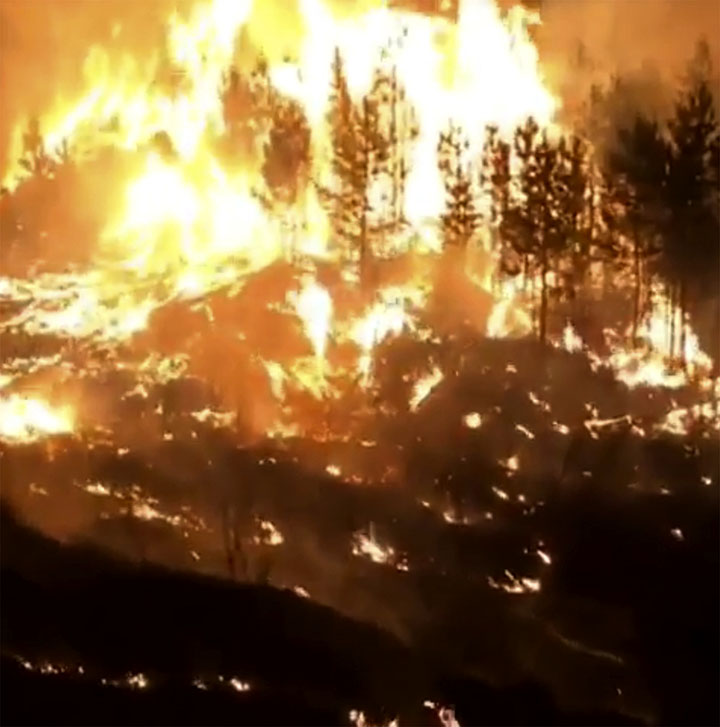
Coverage of the Siberian wildfires from Russia


The fires in Siberia are a catastrophe for the entire planet. But within Russia it brings up many issues around corruption and cover-up.


The prime minister of the Russian Federation, Dmitry Medvedev who if my impression is correct is despised by most Russians, said publicly in this report from Russian TV “Vesti” that there is “no direct danger to people” from the fires”


However, I came across the following discussion on the fires from this Russian vlogger that goes a little deeper.


I find the Russian of the current generation almost impossible to understand so could not decipher all the details but got that Medvedev is far from a disinterested party and owns (or owned) 10% of Europe's largest pulp and paper concern “Ilim Pulp”


https://www.ilimgroup.com/o-gruppe-ilim/

МЕДВЕДЕВ ЛИЧНО ПРИЧАСТЕН К ЗАПРЕТУ ТУШИТЬ СИБИРЬ!? ДАВЫДЕНКО ЛЕС ПОЖАР

MEDVEDEV IS PERSONALLY IMPLICATED IN THE PROHIBITION TO EXTINGUISH SIBERIA!? 

"According to a statement of the Audit Department of the Russian Federation already in 1994 the humble clerk Medvedev owned 10 per cent of Europe's largest pulp and paper mill. Even then he was a millionaire"


https://books.google.nl/books?id=9s2NCgAAQBAJ&pg=PA83&lpg=PA83&dq=medvedev+ilim+pulp&source=bl&ots=iuq7iRojLr&sig=ACfU3U2Q6Ml9vvWEgvTM5UqK43_F5eS9Sg&hl=en&sa=X&ved=2ahUKEwiiou23heHjAhVMyKYKHZN5BtgQ6AEwCnoECAkQAQ#v=onepage&q=medvedev%20ilim%20pulp&f=false

The Group “Ilim” is cutting down the burning Krasnoyarsk forest


The main part of the fires in the Krasnoyarsk region operates on the territory of Evenkia in the so-called control zone, where they are not extinguished. But with part of the foci are fighting, they are including in areas where harvesting is carried out. Among the users of the district there are such giants of the industry as the Group "Ilim", the creation of which is associated with the Prime Minister of Russia Dmitry Medvedev.roizvoditsya 60% of Russian pulp and 25 % cardboard, and cute Guys became sovladelitsa business worth about 1 billion$!

https://tayga.info/147880?fbclid=IwAR2YmRQLkJR-sjYPUyOKNCJQbGwC_-g5k93_RJSgOb1RXLjPb7OnidiyH2E

Medvedev and Ilim Pulp. What is being hidden
This is a Russian government report

http://government.ru/en/news/2495/
http://anvictory.org/blog/2011/04/03/medvedev-i-ilim-palp-chto-skryvaet-dam/?fbclid=IwAR3d8F8m5t7DvwdQIxR2kidREozwKfpY-1ctyjTdW8JLcmD7-5mmMmT8SG4

A court in Transbaikalia decided to deport a voluntary firefighter from Texas


The Central district court of Chita decided to deport from Russia voluntary fireman Paul Fielder, who came to Transbaikalia from Texas to help extinguish forest fires. Now the volunteer for 5 years is forbidden to visit Russia, the newspaper writes "zab.ru" with reference to an anonymous source. To confirm this information in court to the edition "Siberia.The realities of the" failed - telephone press service, no one answers.

Paul Fielder was awarded a fine, the source said, without specifying what exactly the volunteer was found guilty. This is the second time that fielder has come to Chita to share his experience of volunteer assistance in extinguishing wildfires and preventing fires. This year he came to Transbaikalia in may, and planned to stay here until July.

https://www.sibreal.org/a/30064259.html?fbclid=IwAR1-Ih5ML3Kdt2AEU7-qK40wBHHDCQnrKtdF1W5Y4Y54AgcuoHgGLZgP7M8

"We sit and watch as the forest burns": the pilot of the Ministry of emergency situations told that never took off on fires in Evenkia


The pilot of the Ministry of emergency situations of Krasnoyarsk Krai told that for all time of a dangerous season in the North of Krasnoyarsk Krai to them never gave a command to take off on suppression of forest fires. "TVK Krasnoyarsk" publish his story.

The interlocutor, close to sources in the aviation detachment of the Ministry of emergency situations, told TVK Krasnoyarsk that in the North of the Krasnoyarsk territory, aircraft for extinguishing forests have never risen into the air.

"Every day I and the whole team just on duty. There are 4 aircraft. Since the beginning of fires, no specialized Be-200 did not rise into the air. Around all the lights and the smoke. There was talk that they were about to fly, but there were no orders. They are canceled, and no one knows – in Moscow or in the region."

While for the emergencies Ministry, according to the regulations, there is no threat and the fire does not need to be extinguished, employees of Avialesookhrana work at the sites, the pilot says:


"What can the guys do? It's just the units that are planted in the forest. They, roughly speaking, hands extinguish fires and that – only below. Do you know how much dead wood in the taiga? From silkworm just piles of forest mret, and it still burns the tops. This is only from the air to put out with helicopters and planes. But no. It looks very strange."

https://tvk6.ru/publications/news/44264/?fbclid=IwAR1P-0apiwnNRsDEqyPBMTv4jqj48CE-phy7XL2fHMDTPMWP1BllnhPQofw

The government will allow deforestation on Lake Baikal for BAM and Trans-Siberian railway.

 Environmentalists warn that it will destroy the ecosystem of the region


In the law on the protection of lake Baikal, it is necessary to prescribe changes that will allow mass deforestation for Railways, the government proposed. The decision will lead to the destruction of the lake ecosystem, environmentalists insist

The government has prepared amendments to the law "On the protection of lake Baikal", allowing "Russian Railways" (RZD) to carry out continuous deforestation to expand the Baikal-Amur and TRANS-Siberian Railways. RBC has a copy of the document, its authenticity was confirmed by two employees of the Ministry of natural resources and the press service of the Ministry.

The bill was developed in pursuance of the President's instructions for the implementation of The BAM and TRANS-Siberian modernization project, a representative of the Ministry of natural resources told RBC. According to her, specific volumes and types of work will be determined after passing state examinations.


https://www.rbc.ru/business/24/07/2019/5d37074a9a7947128cd2268d?fbclid=IwAR2RN5_DbpmWgb4KEFRuMWFFuxo4vyC8y3cLMUyoHI99617H8hF15N7ZEmk

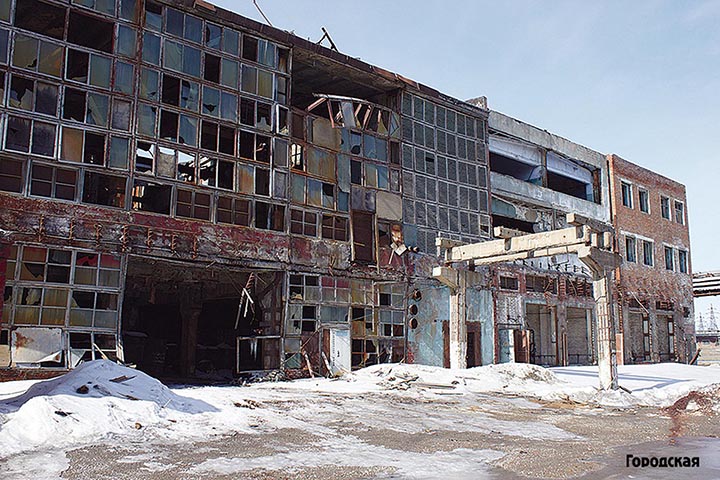
Here is an unrelated story from the Siberian Times on another environmental time bomb


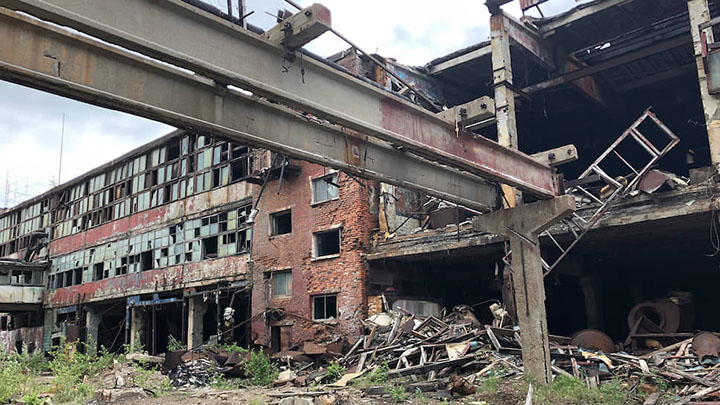
The chilling warning about the dangers at this abandoned plant was sounded by Svetlana Radionova, head of state environment watchdog Rosprirodnadzor.

'This is essentially the territory of an environmental catastrophe. We need to act now otherwise we will have an ‘ecological Chernobyl’,’ she said. 

Pictures here show the plant in Irkutsk region which manufactured chlorine and other chemicals on a 600 hectare site and began work in the Stalin era in 1933. 


Radionova warned of ‘huge’ quantities of mercury and oil waster that could gush into the Angara River, which flows out of Lake Baikal. 
Usolyekhimprom

Usolyekhimprom
https://siberiantimes.com/ecology/casestudy/news/the-abandoned-chemicals-plant-that-could-trigger-an-environmental-disaster-akin-to-chernobyl/

Wednesday, 15 May 2019

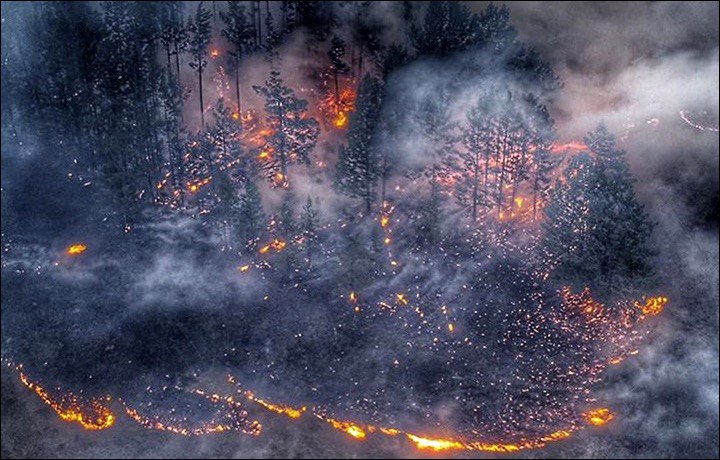
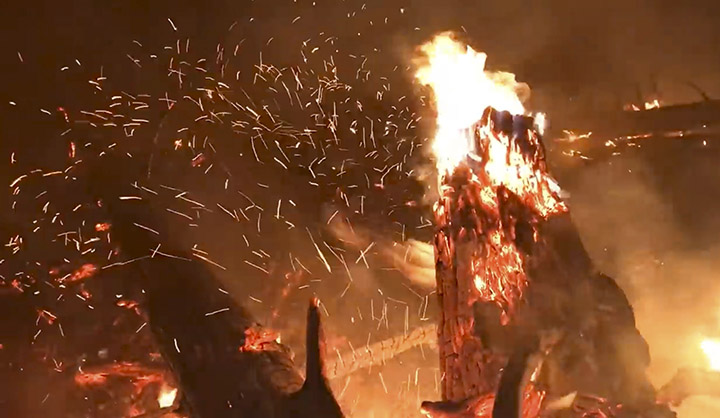
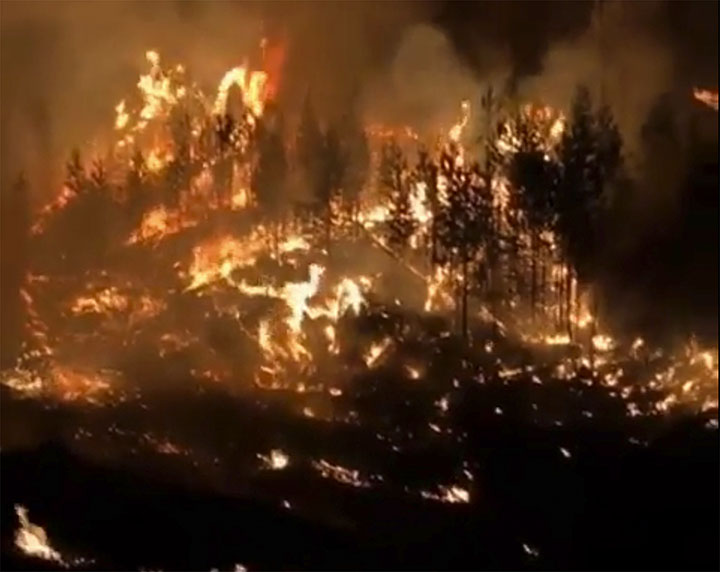
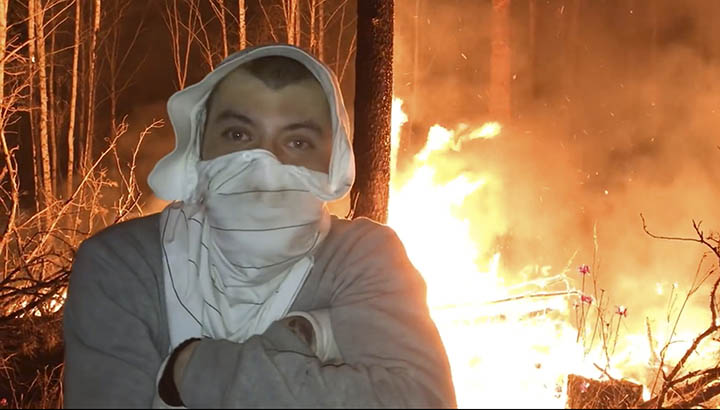
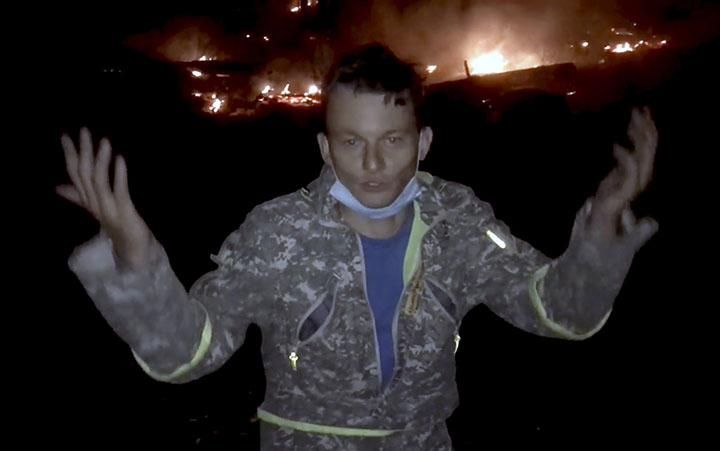
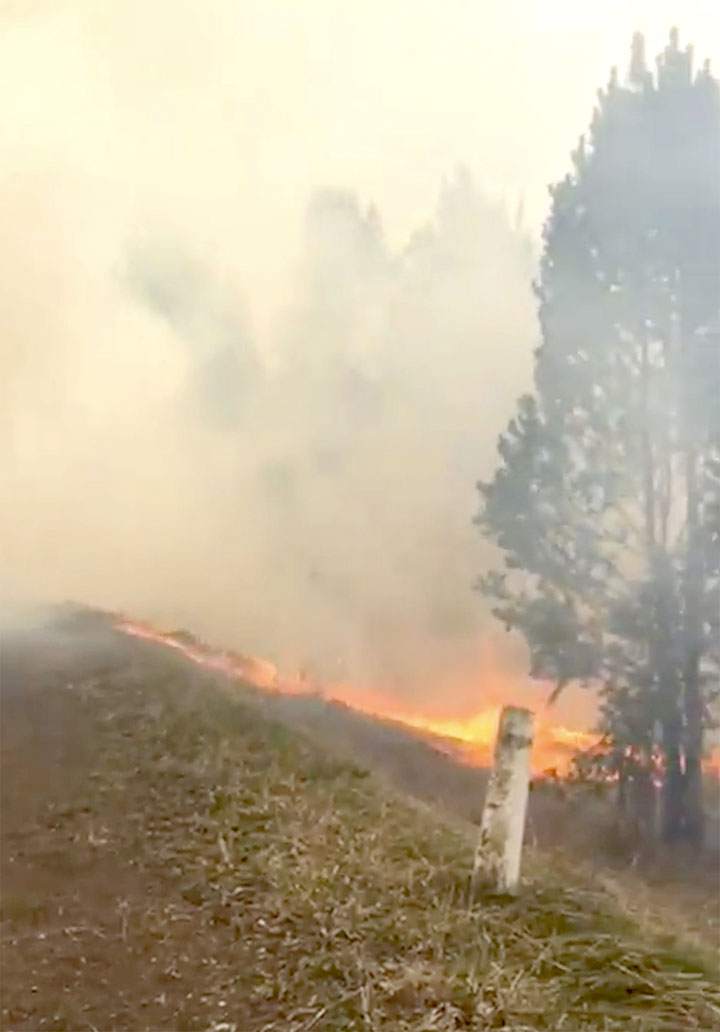
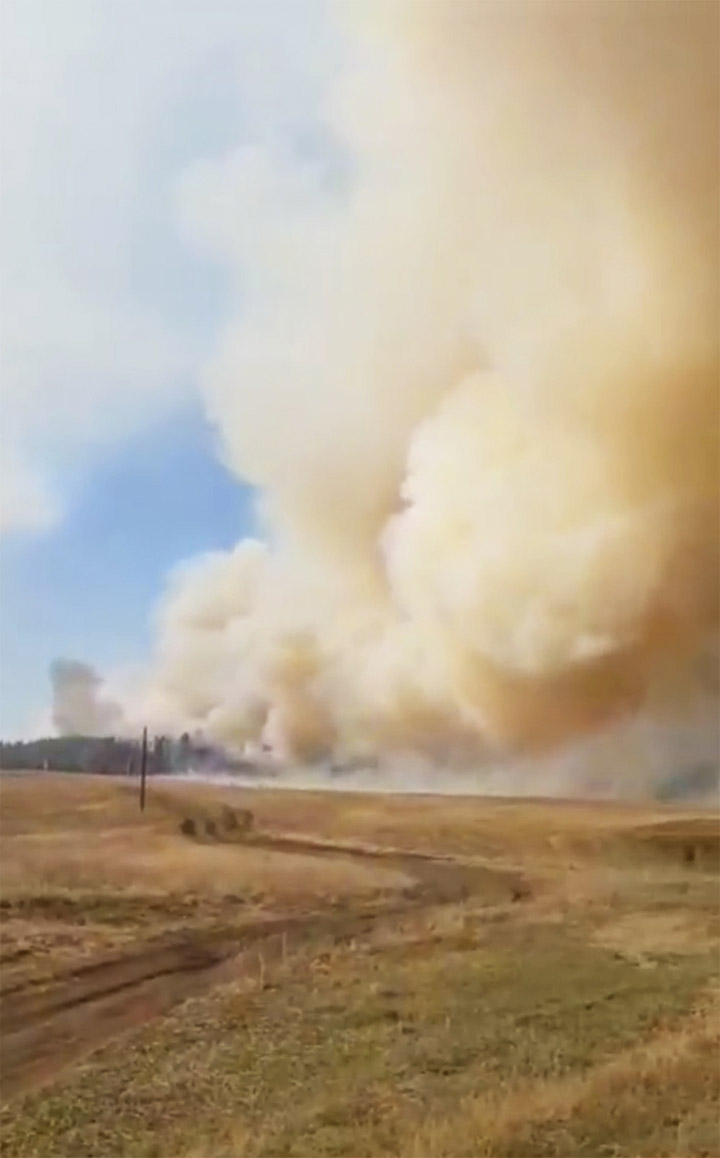
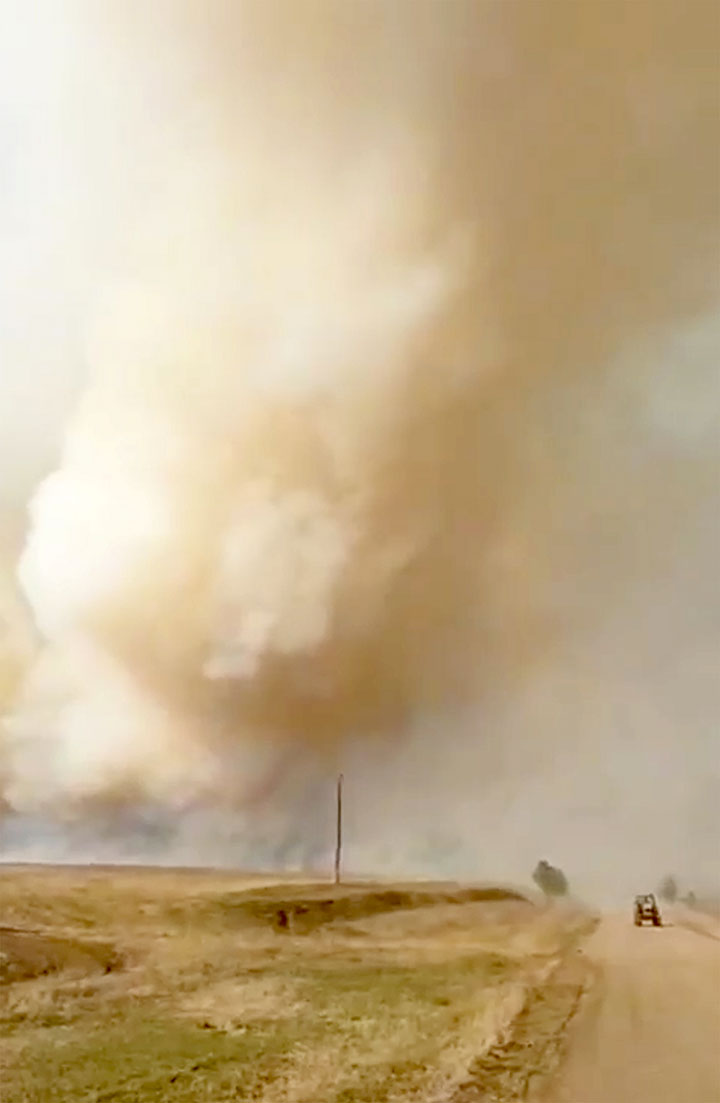
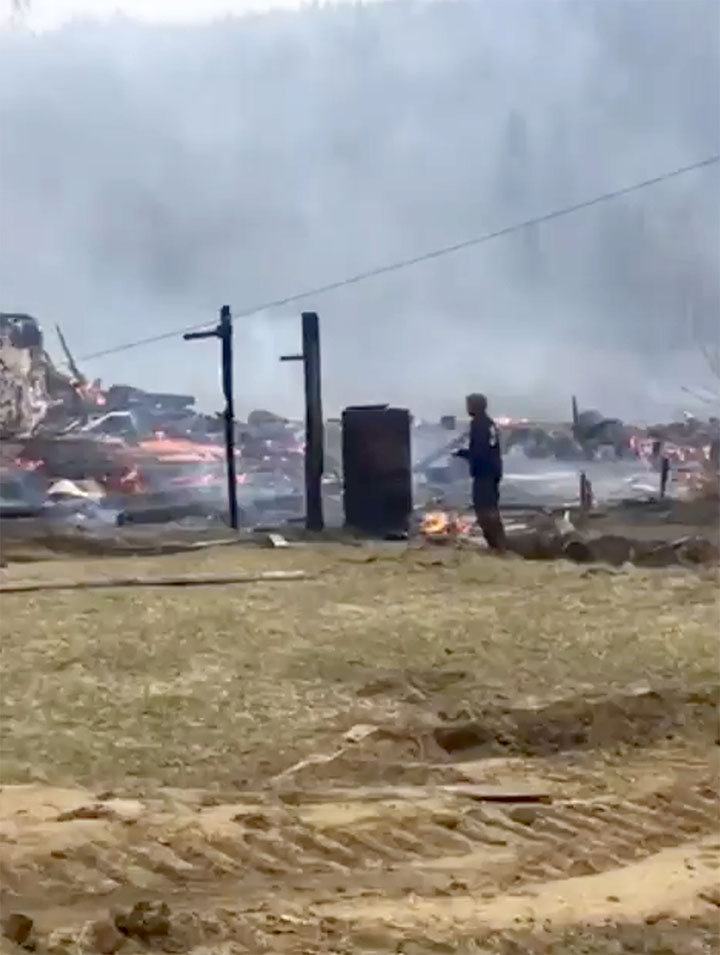
Fires in the Lake Baikal region of Siberia


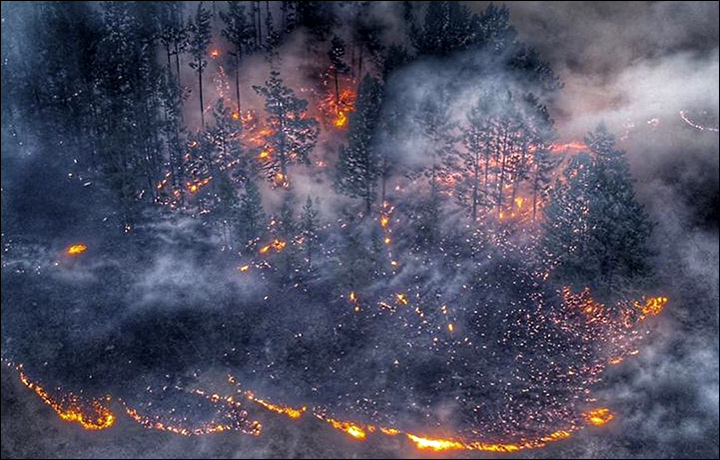
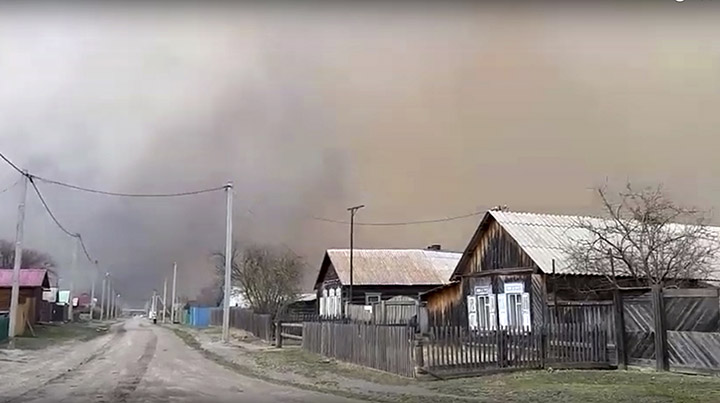
Black skies over Siberia as wildfires rage around the world’s oldest lake

10 May, 2019

Cries to urgently call state of emergency in Irkutsk region as it chokes in smoke.
Forty five forest fires are currently active around Irkutsk; twenty were extinguished overnight according to the local officials.  Picture: Svodka38
Federal and local routes are disrupted, residents complain they fear getting burned alive while driving through the blazing taiga near to Lake Baikal. 
Thousands of firefighters and volunteers are out in woodland in the Irkutsk 
and the Trans-Baikal regions of Eastern Siberia, desperately seeking to extinguish the infernos. 
Russian Consumer rights watchdog RosPotrebNadzor issued a warning to 
the locals, calling on them to keep windows shut at all times, to wear damp masks and drink a lot of water. 
Wildfires around Irkutsk

Wildfires around Irkutsk

Wildfires around Irkutsk

Wildfires around Irkutsk

Wildfires around Irkutsk

Wildfires around Irkutsk

Volunteer

Volunteer
Thousands of firefighters and volunteers are out in woodland in the 
Irkutsk and the Trans-Baikal regions of Eastern Siberia, desperately seeking to extinguish the infernos.
Officials of the Irkutsk region limited access to forests on most of its territory 
to everyone but fire brigades. 
‘I was rushed to hospital with acute asthma attack after spending evening outdoors’, said an angry resident from Ulan-Ude, the largest city in the 
Republic of Buryatia. 
‘As you go out everything is colour grey, the sun and blue sky are blanketed 
out by smoke.’

‘Its impossible to breathe, woods all around us are burning, villages are 
burning, people are sure to lose houses again! I only wish that they survive!! Shop attendants in the city wear masks, this is awful’, wrote Inna Shishkina 
from Irkutsk. 

Forty five forest fires are currently active around Irkutsk; twenty were extinguished overnight according to the local officials.  
Wildfires around Irkutsk

Fire approaches to a village

Fire along the motor road

Fire approaches to a village

Fire approaches to a village

Village Bokhum
Federal and local routes are disrupted, residents complain they fear 
getting burned alive while driving through the blazing taiga near to 
Lake Baikal. 
The state of emergency hasn’t been called in all of the Irkutsk region yet, 
despite the area of wildfires growing twofold to 18,000 hectares in the last 
two days.
  
Some of the fires were caused by extremely dry and windy weather, yet 
most of them started because the so-called ‘spring burns’ went wrong. 
These are the controlled burns of old grass, that are supposed to put 
nutrients back into the soil and revitalize the land. 

The Ministry of Emergencies for Irkutsk region will be seeking help from the phone companies to get locations of everyone who was either in, or close to epicentres of every wildfire in an attempt to bring people to justice.

Tuesday, 27 June 2017

CO2 levels at 561 ppm at Lake Baikal

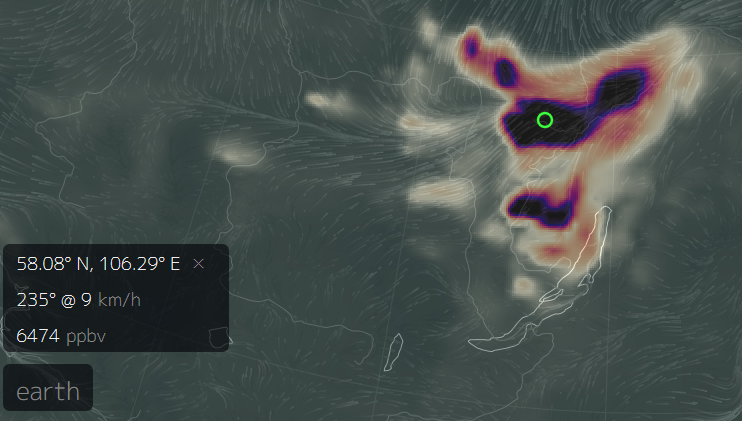
Carbon Dioxide levels 561 ppm near Lake Baikal


Due to wildfires, CO₂ (carbon dioxide) levels were as high as 561 ppm near Lake Baikal on June 24, 2017 (green circle, bottom center of image).

The image also shows cyclonic winds pulling heat from Siberia over the Arctic Ocean. Winds are also pushing hot air from the Pacific Ocean into the Arctic Ocean, while these winds are also speeding up the flow of warm water entering the Arctic Ocean from the Pacific Ocean.

Meanwhile, on June 24, 2017, sea surface temperature was 6.1°C or 11.0°F warmer than 1981-2011 at a location where the Mackenzie River flows into the Beaufort Sea (marked by green circle).

Created by Sam Carana with nullschool.net images for Arctic-news.blogspot.com


This is from 2016. Nothing yet of this season's fires


Oilmen forced to stop work after being trapped in 'horseshoe' of burning taiga, as pall of smoke smothers Irkutsk region where state of emergency imposed.

Thursday, 22 December 2016

424 Gt of methane at bottom of Lake Baikal

Lake Baikal


21 December, 2016


The amount of methane stored in the form of hydrates at the bottom of Lake Baikal in Siberia is an estimated 1 trillion m³, which translates into 424 trillion kg of methane, or 424 Gt of methane. By comparison, the amount of methane in the atmosphere is about 5 Gt.


Aral Sea
Methane hydrates remain stable under a combination of sufficiently low temperatures and sufficiently high pressure. The temperature of the water at the bottom of the lake is about 3.5°C. This means that a large amount of water needs to remain present in the lake at any time, in order to keep the methane hydrates stable.
Lake Baikal is the world's deepest lake. Due to its depth, Lake Baikal is also the largest freshwater lake by volume in the world, containing roughly 20% of the world's unfrozen surface fresh water. Lake Baikal has 23,615.39 km³ (5,700 cu mi) of fresh water and a maximum depth of 1,642 m (5,387 ft).

If the water level in Lake Baikal were to fall, the pressure on the methane hydrates would decrease, resulting in huge methane eruptions, dwarfing the amount of methane currently in the atmosphere.

What are the chances that water levels in Lake Baikal will fall in future? The above animation shows the fate of the 
Aral Sea, further to the west in Asia (also on the map at top). The Aral Sea virtually disappeared over the course of the last few decades. Some people point at climate change as the cause. More people point at irrigation by farmers.

Yenisei River

Lake Baikal could go the same way. Climate change may well reduce the flow of the rivers that now feed Lake Baikal from Mongolia (image right). Furthermore, climate change may well reduce crop yields worldwide as well as the availability of fresh water, increasing temptations to use the water of Lake Baikal for irrigation.

Further decline of Arctic sea ice is likely to push up temperatures across Russia. The image below shows that temperatures as high as 36.6°C or 97.8°F were forecast for June 13, 2016, over the Yenisei River in Siberia that ends in the Arctic Ocean.

[ click on images to enlarge or go to original post ]

Even higher temperatures were recorded in 2015 at a location in Siberia well within the Arctic Circle.

Demands for water could increase even more dramatically due to wildfires and the need to fight such fires. The image below shows that on June 23, 2016, wildfires north of Lake Baikal caused emissions as high as 22,953 ppb CO and 549 ppm CO₂ at the location marked by the green circle.

[ click on images to enlarge or go to original post ]

The situation is dire and calls for comprehensive and effective action, as described at the Climate Plan.

Links

- Climate Plan
http://arctic-news.blogspot.com/p/climateplan.html

- Gone: endemic Baikal sponge has died completely in several areas of the vast lake 
http://siberiantimes.com/ecology/casestudy/features/f0278-gone-endemic-baikal-sponge-has-died-completely-in-several-areas-of-the-vast-lake/

- Volume to weight conversion
http://www.aqua-calc.com/calculate/volume-to-weight

- Lake Baikal, Wikipedia
https://en.wikipedia.org/wiki/Lake_Baikal

- Aral Sea, Wikipedia
https://en.wikipedia.org/wiki/Aral_Sea

- Climate Feedbacks Start To Kick In More
http://arctic-news.blogspot.com/2016/06/climate-feebacks-start-to-kick-in-more.html

- High Temperatures In Arctic
http://arctic-news.blogspot.com/2016/06/high-temperatures-in-arctic.html

- East Siberian Heat Wave
http://arctic-news.blogspot.com/2015/07/east-siberian-heat-wave.html

- Wildfires in Russia's Far East
http://arctic-news.blogspot.com/2016/08/wildfires-in-russias-far-east.html

Thursday, 29 September 2016

Siberian wildfires "too big to fight"

Robertscibbler is becoming one of those who is too frightened to tell the truth. I shall continue to repost his articles where I think they are not too much off the mark (a more frequent happening).


For One Month We Are Suffocating From Smoke” — For Russia, Climate Change is Already Producing Fires that are Too Big to Fight


For one month we are suffocating from the smoke. The weather is hot, and there is a strong smell of burning…” 
 Residents of Bratsk, northwest of Lake Baikal, in a petition to Vladimir Putin pleading him to fight the fires now raging there.

*****
28 September, 2016

For a moment, let’s take a snapshot in time of where we are from the climate change perspective. This year, global temperatures will probably hit between 1.2 and 1.25 C hotter than 1880s averages. This new heat, in a range likely not seen in 115,000 years, is catapulting us swiftly into dangerous new climate states. We’re starting to see the hard changes happen. Weather is growing more extreme, wildfires are worsening, the seas are rising, the glaciers are melting, and ocean health is declining. Threats of destabilization and disruption are ramping up. But compared to what we will see in the future if the world continues to warm, if we continue to burn fossil fuels, the seemingly rough changes we are experiencing now due to human-forced warming are minor and easy to manage.
These are the early, easy outliers of human-forced climate change. But for some, even for a nation as powerful as Russia, certain events have already overwhelmed certain emergency response capabilities.
****
lake-baikal-wildfires-september-28-2016
(Fire season should have ended by late August around the region of Lake Baikal in Russia. However, due to climate change related influences, massive fires continued to burn throughout September. The above image is from today — September 28. Bottom edge of frame is approximately 600 miles. Lake Baikal is visible to the right side of frame. Smoke from large fires currently covering approximately 2.5 million acres is visible throughout the shot. Image source: LANCE MODIS.)

Climate Change Spikes Fire Incidence in Siberia

Over the past decade or so, a rapid warming of Siberia has resulted in a dramatic increase in fire incidence. The vast boreal forests were being thrust into hotter, drier conditions by a human-forced warming of the globe. Meanwhile, permafrost thaw added its own massive and growing volumes of peat-like fuel for burning. As the years progressed, very large fires have erupted with rising frequency. Mostly under-reported, according to Greenpeace and independent satellite analysis by experts, these fires have covered millions of acres year after year after year.
If you look at the whole area over the past 30 years, there’s a significant increase in burned area that is very clear by the early 2000s,” said Susan Conrad, a former U.S. Forest Service scientist who has spent decades researching the impact of fire on Siberia, in an interview with ClimateWire.

Often, fighting such fires has required the effort of thousands of emergency responders supported by hundreds of pieces of equipment. And, as a result, the growing size of these fires and the lengthening of the season in which they burn has put a strain on the coffers of an already cash-strapped Russia. Firefighting has thus been cut or set aside for instances when a city, town or vital piece of infrastructure required defending. So, more and more often, these great fires have expanded even as they have been abandoned to burn on — uncontrolled.
2016 Lake Baikal Fires Too Dangerous to Fight

This year, an unrelenting (climate change related) drought around the region of Lake Baikal Russia combined with abnormal heat to produce massive fires. The fires raged and flared throughout summer. But as the typical wildfire season came to an end during late August, the fires continued to burn and to spread. According to Greenpeace, the fires burning during September in this region alone covered nearly 5 million acres. That’s an area about the size of Massachusetts. Satellite shots of the massive fires were dramatic — revealing plumes of dense smoke spewing out over hundreds and sometimes thousands of miles. Meanwhile, residents of cities and towns around Lake Baikal experienced terrible conditions due to a suffocating pall of dense smoke covering the area.

Despite the risk to public health and increasing cases where schools, communities and infrastructure were threatened by the fires, the Russian Emergencies Ministry has claimed that such large fires are now increasingly uncontrollable. Spokesmen with the agency note that the fires are so intense that they present an unmanageable danger to firefighting personnel. According to Radio Free Europe:
Aleksandr Bruykhanov, senior researcher at the Forestry Institute in Krasnoyarsk, told the Siberian Times that massive wildfires have become more frequent and cannot be fully controlled by the government. He said they will only be extinguished when rain returns to the region.
The Emergencies Ministry won’t be able to help here but will only cause some extra work for foresters, who will have to rescue rescuers. (emphasis added)”

For One Month We Are Suffocating From Smoke

All that said, hundreds of firefighters have been deployed throughout the region in isolated efforts to stem the more eminent blazes. Near the city of Bratsk, 600 firefighters and about 123 pieces of heavy equipment were reported to be engaged with the fires on September 23rd. But the firefighting has, thus far, been mostly unsuccessful.

lake-baikal-carbon-monoxide-spike
(High carbon monoxide readings north and west of Lake Baikal, Russia on September 28 of 2016. This expansive plume of carbon monoxide is coming from very large fires burning in the region. Residents in a nearby city recently complained of carbon monoxide poisoning in a petition to Vladimir Putin to fight the fires. But Emergencies Agencies spokespersons have claimed that the fires are increasingly un-containable and that the best hope for stopping the fires is when rains return to the area. Image source: Earth Nullschool.)

Failure to control the massive burning has resulted in abysmal air quality for the region. In some cases, life-threatening conditions have been reported — with adults and children hospitalized. In Bratsk, a city of 250,000 people, thousands of residents are complaining of stifling smoke and incidents of carbon monoxide poisoning. A heavy pall of dense smoke has hung over the city for more than a month. The conditions there are so bad that 3,000 people have signed a petition to Vladimir Putin, urging him to deploy more resources to fight the fires, and stating that:
For one month we are suffocating from the smoke. The weather is hot, and there is a strong smell of burning and smoke. It is not possible to open windows, we cannot go out because we soon feel dizziness… Some adults and children are in hospital with severe carbon monoxide poisoning. We are for clean air! We want to breathe. We have that right. Do not remain indifferent to our health and our future!’
Signs of Exhaustion At The Start of a Rough Climate Future

Exhaustion of emergency response resources is one of the big threats posed by climate change. In instances where entire regions see extreme weather conditions that are far outside the norm for an extended period of time, such as as severe droughts, floods, and fires, instances of exhaustion are more likely to occur. Exhaustion also occurs when events appear that are too large or intense to manage. And it appears that firefighting efforts in Russia are starting to show some signs of exhaustion. Not good. Especially considering the fact that these conditions are tame compared to what will happen in future years without some very serious climate change mitigation and response efforts.
For whether they realize it or not, the residents of Bratsk are living at the start of a much rougher climate future. And they are just now starting to see a hint of the very bad conditions that will keep worsening as the world continues to warm and Siberia becomes one of the places to see the worst of it. It’s a situation caused by the very fossil fuel burning that Putin currently promotes. A crisis of warming that will cause more forests to burn, cause the fires to continue to enlarge, and cause the peat-like thawing permafrost to become increasingly involved in that burning.
The only way to stop this trend is to halt global temperature rise. And that requires a very heavy lift. An international effort on a scale which the world has not yet managed to fully commit to. An effort that would inevitably result in the fossil fuels Putin seeks to exploit being left in the ground in favor of far more benevolent energy sources.
Links:

Hat tip to mlparrish
Hat tip to Colorado Bob