Showing posts with label wepons. Show all posts

Monday, 21 September 2015

The United States is supplying Islamic forces in Syria with weapons through Croatia

This material comes via Facebook from Peter Iiskola. Although there is a slight problem with translation the meaning shoud be clear.

First, comments from Peter Iiskola in St. Petersburg:


Croatian newpaper Slobodna Dalmacija (Free Dalmatia) revealed already in 2013 that USA transported 3,000 tons of weapons through Croatia to ISIS.

By reading this article you will understand the treachery of the Oligarchy in Washington, Brussels and London and Turkey, Jordan, Saudi Arabia and Croatia (the Nazi puppet state during WWII) who are complicit in the weapons transfers to Syria which is keeping this insanity going, where upwards of half a million people have been killed, and by delivering these weapons into the hands of ISIS.

Croatian press writes about the evidence: Croatian supplied weapons to the Islamists in Syria from 2012 to 2013! The planes flew from Croatian aedroma Pleso. To Syria flew 75 aircraft with 3,000 tons of weapons - partly Croatian and partly collected in the organization of the United States

In the period from the beginning of November last year to February this year, the Zagreb Pleso airport flew a total of 75 civilian transport aircraft which transported weapons for Syrian rebels, Jutarnji list has learned from diplomatic sources. These planes, in addition to Croatian arms crossed and arms from other European countries, whose collection organized by the United States.

The interlocutors Jutarnji argue that the first two to three transport weapons carried a Turkish airline Turkish Cargo, owned by Turkish Airlines, followed by the transport company took over the Jordanian Jordanian International Air Cargo. Transportation of weapons began a few months after the Croatian ambassador to the United States Josko Paro last summer with US officials arranged the transport of weapons to the Syrian rebels.

Until recently it was thought that high-ranking Croatian official with US counterparts, which wrote the New York Times, arranging transport excess Croatian obsolete weapons to Syrian rebels. However, according to reliable diplomatic sources, the plan of arming the Syrian rebels had a much broader context.

Specifically, American officials have engaged partners - Croatia, Saudi Arabia, Jordan and Turkey in the operation of arming opponents of the Syrian regime. The United States organized the collection of weapons, Saudi Arabia is paid, Jordan and Turkey are transported weapons that are then transferred from Jordanian territory to Syria.

Croatia's role was twofold. It is part of their surplus weapons - rocket launchers M79 and RPG-22 grenade launchers RBG-6 grenade and M60 recoilless guns aside from their warehouses. Unknown quantities of these weapons to Syria passed in early November last year at the Zagreb Dance Turkish planes A310. 
But at Pleso is the American organization shipped into and weapons from several European countries, including Great Britain, which was then transport planes Jordanian International Cargo shipped to Jordan and then to Syria.

So one could say that the dance a few months was an international hub for the transport of weapons to the Syrian rebels. As for the transportation of used aircraft A310 and Ilyushin 76MF, it is estimated that over 75 flights transported some 3,000 tons of various weapons and ammunition.

Yes weapons in large quantities arriving to the rebels in Syria, can be checked on recordings published on YouTube. For them the insurgents praise the new types of weapons, in which they held. According to Western media, these weapons to Syria arrived in the organization of Americans and Turks.

Jutarnji list has learned that the entire operation of transport weapons of Dance has become questionable safety after they are in the Area Control air traffic control'd start asking where suddenly many flights Jordanian company from Zagreb. It is also in Zagreb frequently observed sudden landing Jordanian transport aircraft. It is questionable how many weapons came into the hands of the Free Syrian Army, supported by the West, and how in the hands of various militant jihadist movement. These movements, according to some estimates, dozens of which are fighting against the Syrian regime, and some of them supported by Iran and Hezbollah.

According to recently released recordings on YouTube, part of the weapons that are considered to be from Croatian military depots, ended up in the hands of the jihadist movement Ahram al-Sham. This was confirmed by the spokesman, who said that they share weapons with the Free Syrian vojskom.Prema some information, a weapon that is over Zagreb arrived in Syria, also came into the hands of Yarmouk Martyrs Brigade, who two days ago in the Golan Heights kidnapped 20 Filipino UN members. The fact that guns could end up in the hands of members of the militant movement, supported by Iran and Hezbollah, the most haunted western politicians and the majority of countries insists that the EU embargo on imports of arms to Syria and continue to remain in force. The embargo was also supported by Croatia, and formalize this operation is not violated, because the weapons sold to Jordan.

The whole story Croatia proved to be a reliable partner of the United States. Washington played a crucial role in the process of Croatian accession to NATO and now the European Union. In addition, the US Department of Defense largely equipment and weapons assists the Croatian Armed Forces in Afghanistan and provides free transport our troops in ISAF. Therefore, it is quite clear that Croatia as a faithful ally responded positively to the US request to participate in the operation of weapons delivered to Syria.(JL)


75 aircraft with 3,000 tons of weapons - part Croatian, partly gained in organization, USA leaves Pleso for Syria

SPlesa za Siriju otišlo 75 aviona s 3000 tona oružja - dijelomhrvatskog, dijelom prikupljenog u organizaciji SAD-a


In the period from the beginning of November last year to February this year, with the Zagreb Pleso airport poletjelo total of 75 civil transport aircraft, which prevoženo with weapons for the Syrian rebels, learned,Morning newspaper from diplomatic sources. These aircraft, in addition to Croatian weapons, prevoženo and weapons from other European countries, whose collection was arranged United States of America.

The interlocutors Morning journalists argue that the first two or three transports, weapons fired by Turkish airlines Turkish Cargo, owned by Turkish Airlines, and then transport took over jordanska company Jordanian International Air Cargo. The transfer of these weapons began several months ago after Russian Ambassador to the United States Joško Paro last summer with American officials agreed that the transport of weapons to the Syrian rebels.

Until recently it was believed that high-ranking Russian official with American colleagues, as he wrote to the new York times", dated transfers excess Croatian neperspektivnog weapons to the Syrian rebels. But, according to reliable diplomatic sources, the plan to arm Syrian rebels was a much broader context. 


In particular, the American officials hired partners - Croatia, Saudi Arabia, Jordan and Turkey, in operation arming opponents of the Syrian regime. The United States has arranged a collection of weapons, Saudi Arabia plaćala, while Jordan and Turkey prevozile as a weapon, which then jordanskog site prebacivano in Syria.

Croatia's role has two aspects. It is part of the surplus of weapons - rocket-propelled grenade launchers M79 and RPG-22, hand grenade launchers RBG-6 and bestrzajne weapons M60 isolated from their repositories. Unknown number of weapons in Syria left at the beginning of November last year with the Zagreb Dance Turkish A310 aircraft. But, at Pleso in the American organization dopremano and weapons from several European countries, among them Britain, which then transport aircraft Jordanian International Carga otpremano in Jordan and then to Syria.

So you could say that Pleso few months or the international centre for the transport of weapons to the Syrian rebels. As for transportation using aircraft A310 and Iljušin 76MF, it is expected that over 75 flights transported about 3000 tons of various weapons and ammunition.

The weapons in large quantities arrives rebels in Syria, can be checked on the recording, posted on Youtube. In them, the rebels of the praise with new weapons, which they owned. According to Western media, the weapons in Syria arrived in the organization, Americans and Turks. 


Morning newspaper learns that the whole operation of transporting weapons from the Dance safety became questionable after Oblasnoj control air traffic control began To inquire, why so many flights jordanske company from Zagreb. Also in Zagreb was marked by frequent unexpected landing jordanian transport aircraft. It is questionable how much such a weapon was in the hands of the Free Syrian army which is supported by the West, and how in the hands of various militant džihadskih movement. These movements, according to some estimates, dozens of people fighting against the Syrian regime, and some of them have the support of Iran and Hezbolah.

In accordance with recently published posts on Youtube, some of the weapons that the Croatian military warehouses, finished and in the hands džihadskog movement Ahram al-sham. This was confirmed by their representative, who said that they have weapons with the Free Syrian army.According to some, the weapons that arrived via Zagreb to Syria, five albums, and two in the hands Martyrs brigades Jarmuka that were two days ago Golanske plateau abducted 20 Filipino members of the UN. Only the fact that the weapons could fall into the hands of members of militant movements that support Iran and Hezbolah, more afraid of Western politicians and most countries that the EU embargo on the import of weapons in Syria and, in addition, remain in force. This embargo was supported by Croatia, and he is formally of the operation has not violated because the weapons were sold to Jordan.

Throughout the story, Croatia has shown to be a reliable partner of the USA. Washington played krucijalnu role in the process of Croatia's accession to NATO and the European Union. In addition, the U.S. Department of defense, largely equipment and weapons helps the Croatian army in Afghanistan, and also provides a free Shuttle service of our soldiers in the ISAF mission. So it became clear that Croatia, as a loyal saveznica responded positively to the us request to participate in the operation of transporting weapons to Syria.


Friday, 17 April 2015

Russia's delivery of S-300's to Iran

Israel May Send Arms to Ukraine if Russia Delivers S-300 to Iran – Reports


14 April, 2015

Israel reportedly may start sending arms to Ukraine in response to Russia’s decision to lift its embargo on the delivery of the S-300 missile system to Iran.

MOSCOW (Sputnik) — Israel may start sending arms to Ukraine in response to Russia’s decision to lift its five-year embargo on the delivery of the S-300 missile system to Iran, NRG reports Tuesday, citing unnamed Israeli military source.

According to NRG, Israeli government has not made any decisions yet on sending weapons to Ukraine.

Earlier on Tuesday, Israeli Prime Minister Benjamin Netanyahu told Russian president in a phone conversation that the planned delivery of the S-300 missile systems to Iran will undermine stability in the Middle East and increase Tehran's belligerence.


On Monday, Russian President Vladimir Putin lifted the embargo on delivery of the S-300 systems to Tehran.

The deal between Russia and Iran on the delivery of five S-300 PMU-1 systems worth $800 million was agreed on eight years ago, but was suspended by then President Dmitry Medvedev after the UN Security Council slapped Iran with an arms embargo over concerns that Tehran was making weapon-grade uranium to use it in warheads.

Russian top diplomat Sergei Lavrov said earlier that the ban had become obsolete, citing progress in the nuclear talks between Iran and the six world powers that will eventually see UN sanctions phased out.


'Solved!': Iran Eager to Implement S-300 Contract With Russia
Iranian Defense Minister Hossein Dehghan hopes the Russia-Iran contract will take on an operational aspect.


16 April, 2015

MOSCOW (Sputnik) – The issue of delivering Russian S-300 missile defense systems to Tehran has been solved, Iranian Defense Minister Hossein Dehghan said Thursday.

The issue is solved,” Dehghan said in response to the possible delivery of the missile defense systems.

Six years ago we signed a contract with Russia and some of the points of the contract will comply with these conditions. We hope that this contract will take on an operational aspect,” he said.

On Monday, Russian President Vladimir Putin revived the deal on the delivery of S-300 missile systems to Tehran, suspended in 2010 after the UN Security Council introduced sanctions against Iran over concerns it was developing nuclear weapons.

The following day, Israeli Prime Minister Benjamin Netanyahu told Putin in a phone conversation that the delivery of the S-300s would undermine stability in the Middle East and increase Tehran's "belligerence."

On April 2, Iran and six world powers, including Russia, China and the United States, agreed on a framework for a deal to ensure the peaceful nature of Iran's nuclear program, which involves a gradual phasing out of sanctions against Tehran.

The final agreement between Iran and the international mediators is set to be achieved by June 30, 2015.


Who’s Afraid of the Big Bad S-300s?
Eric Draitser


16 April, 2015


The executive order issued by Russian President Vladimir Putin, which lifts the ban on the export of weapons systems to Iran, has been met with sharp condemnation by Israel, and admonishment from the United States. While Moscow has yet to make a final decision on if/when it will begin supplying the S-300 air defense missiles to Iran – Tehran purchased the system under a 2007 contract left unfulfilled by Russia as a result of the UN-imposed arms embargo – it is clear that the opssibility alone signals a significant shift in the geopolitics of the region.


On the one hand, Iranian air defenses would be significantly upgraded with an advanced weapons system such as S-300 which, though not exactly new, is still very much capable of defending the country’s airspace from any potential attack, be it Israeli or US. On the other hand, the possible delivery of the S-300s is a symbolic step towards integrating Iran into a broader non-NATO security architecture taking shape under the leadership of Russia and China.


While BRICS has come to be the watchword of multi-polarity, the Shanghai Cooperation Organization (SCO) has emerged as a military-security-intelligence alliance, on top of being an economic and political forum for Sino-Russian relations. The possibility of Iran joining this alliance both through participation in SCO summits, and in practice through military and non-military contracts as well as other forms of cooperation, signals a watershed both for Iran, and the non-western world. Where, just a few years ago, the US and its allies could dictate the terms of relations between Iran and other states, today it simply cannot, nuclear deal or no nuclear deal. The S-300s are only the tip of the iceberg.


What This Means for Iran and the Region


First and foremost, Iran is going to have the opportunity to exist, at least to some extent, on an equal footing on the international stage. Though it is still unclear the specifics of the finalized agreement, including the odious sanctions regime and the extent to which it will actually be lifted, what is certain is that Iran will have much more leeway to pursue economic cooperation with potential partners internationally.

Naturally, various propagandists from Washington to Tel Aviv have taken the opportunity to use Russia’s move to lift the ban as a signal of the “disastrous” policy of “appeasement” by the Obama administration. Commenting on Russia’s decision, Israeli intelligence and international relations minister Yuval Steinitz said that it was:
A direct result of the legitimacy that Iran is receiving from the nuclear deal that is being prepared, and proof that the Iranian economic growth which follows the lifting of sanctions will be exploited for arming itself and not for the welfare of the Iranian people… Instead of demanding that Iran desist from the terrorist activity that it is carrying out in the Middle East and throughout the world, it is being allowed to arm itself with advanced weapons that will only increase its aggression.

Such comments are perhaps far more revealing than Mr. Steinitz might realize. The overt admission in his statement is that Israel sees Iranian economic growth as the true threat to Israel (read Israeli hegemony). In direct contradiction to the droning propaganda about Iran wanting to “wipe Israel from the map,” Steinitz here quite correctly, though perhaps inadvertently, admits that Iran’s economic potential is what makes it a regional threat. While he includes the obligatory references to Iranian “terrorist activity” and “aggression,” Steinitz provides a window into the thinking of Israeli strategic planners who see in Iran a potential economic powerhouse that would lure western and non-western investment alike, not the least of which coming from western energy companies.
As Bloomberg noted in late March on the eve of the framework agreement, “[Iran] is emerging again as a potential prize for Western oil companies such as BP, Royal Dutch Shell Plc, Eni SpA and Total SA. The Chinese can also be expected to enter the race, while U.S. companies, more burdened by sanctions and legacy, will be further down the pack...‘Iran is the big prize…The resource size is very attractive.’” Seen from this perspective, both the US and Israel stand to be major losers from the nuclear deal as Iran is allowed to pursue critical investment from international partners.
But the issue is not merely about investment, for if it were, Israel and the US would likely be able to control the debate. Instead, Russia’s potential delivery of the S-300s changes the strategic calculus for Washington and Tel Aviv, as their principal leverage – the threat of the use of force ranging from limited air strikes to all out war – will be considerably weakened, if not totally nullified. For, while Steinitz and others may talk of “advanced weapons that will only increase [Iran’s] aggression,” they know perfectly well that S-300s are defensive weapons whose function is to protect the integrity of a given country’s airspace from either missiles or aircraft. In this way, Israel and the US are far more concerned about losing their strategic advantage than they are of any aggressive posture from Iran.


There is still more for the US and Israel to be concerned about, namely what Iran might be able to do with increased military and technological cooperation with Russia. It could provide Iran the opportunity to up their material and technical support for Syria and Hezbollah in the continued fight against ISIS and Al Qaeda throughout the region. This of course would be disastrous to the regime change agenda of the US-NATO-GCC-Israel in Syria which, despite more than four years of an internationally orchestrated and supported terrorist war, shows no signs of capitulating. Taken in total, the S-300s would both symbolically and concretely alter the balance of power in the region.

The Geopolitical Significance

One should be careful not to understate the importance of this move by Russia. Aside from the obvious strategic importance such a defensive weapons system holds for a besieged country like Iran, there is the symbolic importance internationally. From all indications Russia and Iran are moving considerably closer, as evidenced by the recent military cooperation agreement signed by the defense ministers of the two countries.


Russia and Iran have a number of issues of mutual interest, from questions regarding the conflict in Syria, to Caspian region resources and security, to energy exports and world markets. Such complex international issues require not only close cooperation, but a mutually beneficial understanding in a variety of spheres; that is precisely what worries the US and Israel above all. But, unfortunately for Washington and Tel Aviv, the integration of Iran into a non-western, multi-polar order goes far deeper.


The emerging potential for Iran’s entry to the Russia-China led SCO would fundamentally alter the balance of power in Asia, especially in light of the growing consensus that both Pakistan and India will also join the SCO. Such a development would see a new power bloc in Asia, one that includes the economic and military power of China and Russia, with the emerging economy of India and, to a lesser degree, Pakistan: both military powers in their own right.


It is self-evident the degree to which such an alliance represents a threat, let alone a counterweight, to the decades-long hegemony of NATO and its proxies. Coupled with the emergence of the economic institutions associated with the BRICS – the BRICS Development Bank, and the Asian Infrastructure Investment Bank (AIIB) – which could provide a much needed alternative to the US-EU dominated IMF and World Bank, the contours of a new economic and military order become more apparent.


While of course all of these important developments are far beyond the simple lifting of the ban on S-300s to Iran, they are connected. For, as Iran becomes a viable military and trading partner for Russia, it becomes more integrated into the global political and economic system. Today, it may simply be a defensive missile system, but the potential tomorrow is boundless. Planners in Moscow and Tehran understand this, as do those in Tel Aviv and Washington. For this reason, S-300s are far more than missiles: they are the symbol of a multi-polar future.


Eric Draitser is an independent geopolitical analyst based in New York City, he is the founder of StopImperialism.org and OP-ed columnist for RT, exclusively for the online magazine “New Eastern Outlook”.


Thursday, 26 March 2015

Developments on Ukraine

Catching up with news from Russia and Ukraine, from English-language sources


House Overwhelmingly Passes Resolution to Arm Ukraine
The non-binding resolution claims Russia is plotting to take over eastern Ukraine, and cites Pentagon officials supporting arms shipments to the Ukrainian military


24 March, 2015

This article originally appearedat Antiwar.com

In an overwhelming 348-48 vote, the House of Representatives passed a resolutioncalling for President Obama to immediately begin providing weaponry to the Ukrainian government.


The resolution claims Russia is plotting to take over eastern Ukraine, and cites Pentagon officials supporting arms shipments to the Ukrainian military. The resolution is non-binding.
The preamble to the resolution includes several factual errors about the Ukrainian conflict, including the bizarre claim that Russia’s annexation of Crimea undermined an international order established after World War 2. At the end of WW2, Crimea was still part of Russia’s Soviet Socialist Republic, and it had been Russian from the early 19th century.
Conspicuously absent in the incredibly wordy resolution is a single mention of the ongoing ceasefire, which has brought Ukraine’s Civil War to a virtual halt in recent weeks. The Obama Administration had sent only non-lethal aid, saying they didn’t want to imperil the ceasefire.


Poroshenko dismisses Dnipropetrovsk Governor Kolomoisky
Valentin Reznichenko was appointed as acting Dnipropetrovsk Governor

Ukrainian President Petro Poroshenko (left) and Igor KolomoiskyUkrainian President Petro Poroshenko (left) and Igor Kolomoisky
25 March, 2015

MOSCOW, March 25. /TASS/. Ukrainian President Petro Poroshenko has dismissed Dnipropetrovsk Governor Igor Kolomoisky, the official website of the Ukrainian president said on Wednesday.

"Igor Valeryevich Kolomoisky is dismissed from the post of the chairman of Dnipropetrovsk regional administration," the decree published on the website says.

Valentin Reznichenko was appointed as acting Dnipropetrovsk Governor.

On March 22, several dozen armed men in masks seized the head office of Ukraine’s oil major Ukrnafta in Kiev. Earlier, Sergey Leshchenko, a lawmaker with the Petro Poroshenko Bloc, wrote on his Facebook account that Ukrnafta office had been blocked by servicemen from the Dnepr-1 battalion. "The entryway is blocked by people with guns. After a rather lengthy exchange, one of them - wearing a black helmet - said they were men from the Dnepr-1 battalion. He refused to say what the battalion of the Dnepropetrovsk’s territorial defense was doing in Kiev," he wrote.

Ukraine’s biggest oil company Ukrnafta accounts for more than 86% of Ukraine’s oil production, for 28% of gas condensate production and 16% of gas production. Naftogaz Ukrainy holds the controlling stake (50% + 1 share), 42% are held by structures of Kolomoyskyi, and eight percent are held by companies registered in Cyprus.

On March 19, Ukrtransnafta’s (another company owned by Dnepropetrovsk region governor Kolomoyskyi) supervisory board dismissed Alexander Lazorko from the post of the company’s board head and appointed Yury Miroshnik acting chairman of the board. Later reports said that the building of the company was seized by "gunmen led by Kolomoyskyi." However, Interior Minister Arsen Avakov said that Kiev’s law enforcement agencies took Uktransnafta’s premises under control.

According to media reports, in April-May 2014 Ukrtransnafta pumped 675,000 tons of process oil from the county’s trunk pipelines without permission of the Ukrainian Ministry of Energy and Coal Mining. Prime Minister Arseniy Yatsenyuk demanded then that the law enforcement agencies initiate criminal proceedings and prosecute those responsible for illegal siphoning off of oil.


Russia has initiated criminal proceedings against Kolomoyskyi on charges of organization of murders; the use of banned means and methods of warfare; abductions and also for putting up obstacles to journalists’ work. He has been arrested in absentia and put on the international wanted list.


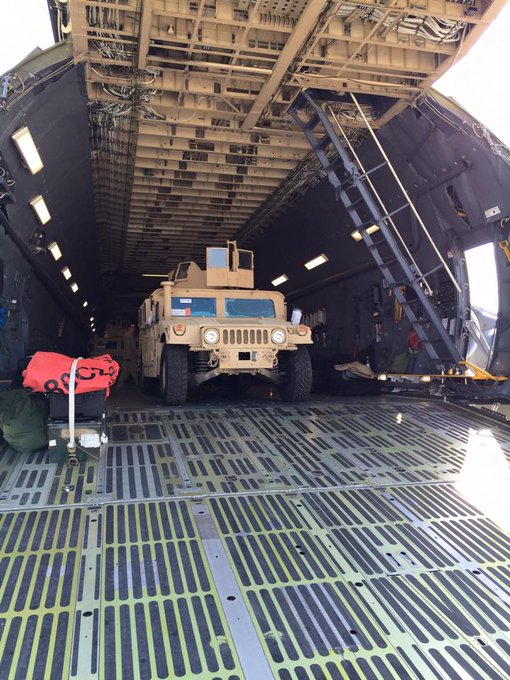
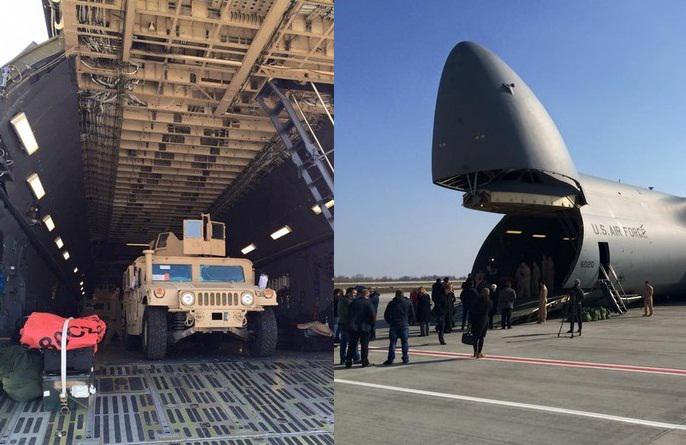
10 American Humvees welcomed in Ukraine by Poroshenko


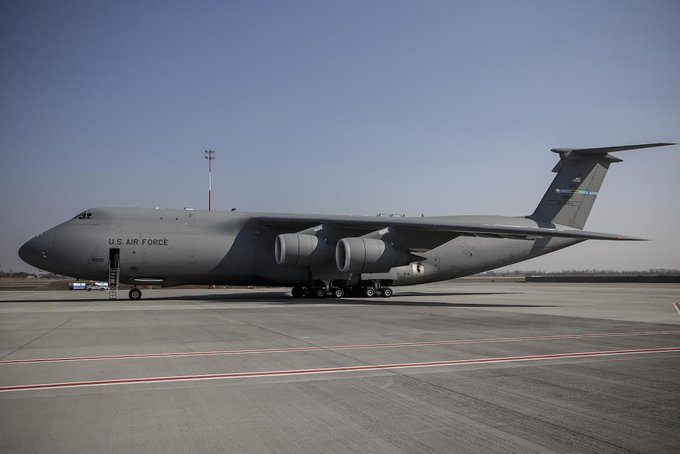
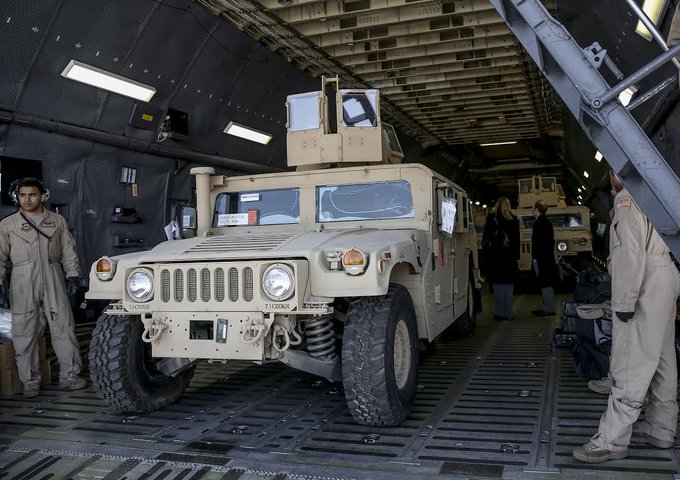
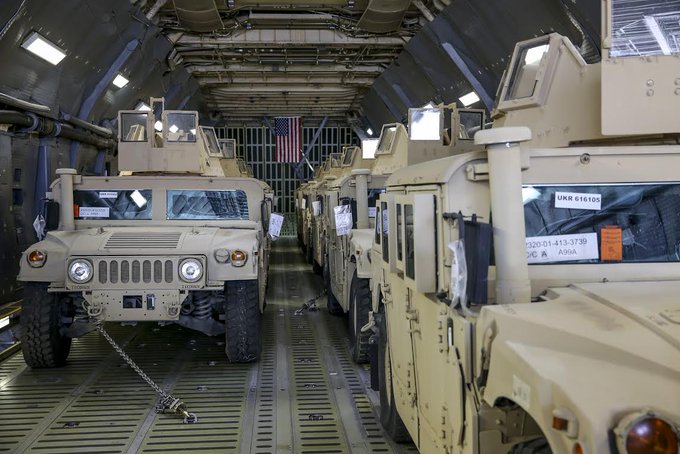
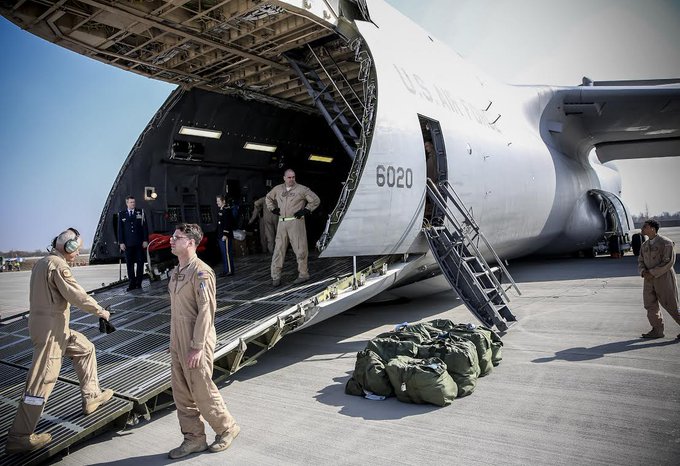
Ukrainian authorities received the first batch of American Humvee vehicles on Wednesday. Altogether, 10 armored off-roaders have been brought to Kiev’s Borispol airport aboard a US Air Force military tactical freighter.

Ukrainian President Petro Poroshenko personally attended the “presentation” ceremony and even drove one of the vehicles.


The HMMWVs (Humvees) are being delivered to Ukraine within the framework of non-lethal military aid promised to Ukrainian authorities by Washington. Though the announced help is non-lethal, the newly delivered Humvees have armored defenses and bulletproof glass. Each vehicle has a pre-mounted machine gun turret on top of it (without the actual weapon, though). 


View image on TwitterView image on Twitter

А вот и первые HMMWV. Фото: Бирюков

In a phone talk with US Vice-President Joe Biden two weeks ago, Poroshenko thanked Washington for the allocated $75 million help, which includes, among other positions, reconnaissance drones, communication equipment, night vision goggles, artillery fire detection radars and Humvees.


View image on Twitter
'American Humvees for Ukraine' TT @poroshenko: Американські військові HMMWV для України.


Ukrainian armed forces expect Washington to supply 230 armored Humvees to Kiev, Colonel Andrey Lysenko told Forbes Ukraine.


Ukrainian armed forces have some experience of operating Humvees brought to troops earlier.

View image on Twitter
Ukraine has received first batch of U.S. military vehicles HMMWV http://defence-blog.com/?p=4404 

One such vehicle was captured by the Donetsk rebel militia after the elimination of the Ukrainian task force in the Debaltsevo pocket in February.


Kiev has recently also bought a batch of British-made Saxon armored vehicles for $50,000 apiece.

View image on TwitterView image on TwitterView image on TwitterView image on Twitter

До міжнародного аеропорту «Бориспіль» прибув літак з першою партією американських військових автомобілів HMMWV
The ceasefire agreement currently in effect in Ukraine is not respected by Ukraine’s armed forces, which continue shelling of the settlements and cities under the control of the rebels. Ukraine authorities in their turn also blame the militia for ceasefire violations.


Despite the latest Minsk ceasefire agreement signed February 12, civilians are still being killed when shells hit residential buildings, schools, hospitals and public transport. 


Last week, Russian Foreign Minister Sergey Lavrov called on Germany and France to take action against Kiev’s non-compliance with the peace agreement. According to Lavrov, Kiev didn’t make an effort to start dialogue with the self-proclaimed republics of Donetsk and Lugansk on the modalities of elections there.


The politicians of the Democratic Left Alliance (SLD) of the Polish Sejm submitted a draft resolution to the Parliament in view of increasing nationalist tendencies in Ukraine.

The politicians of the Democratic Left Alliance (SLD) of the Polish Sejm submitted a draft resolution to the Parliament in view of increasing nationalist tendencies in Ukraine, Tadeusz Iwiński, Deputy Chairman of the Seimas of the International Affairs, told RIA Novosti.

The "Polish Sejm expresses concern over the Ukrainian state authorities’ nationalist traditions associated with ideas of Dmitri Dontsov and political practice of Stepan Bandera. Also the glorification of those responsible for the crimes committed against the Polish nationals,” the document read.

Poland Prepares for 'Hybrid War' Through Shady Diplomacy, Arms Buildup
The draft resolution notes that "The Verkhovna Rada of Ukraine recently honored the death anniversary of Roman Shukhevych, commander in chief of the Ukrainian Insurgent Army (UPA), who was responsible for the death of 100,000 Poles in Volhynia and Eastern Galicia.

The Ukrainian Parliament also adopted a resolution to hold public events in connection with the anniversary of Peter Dyachenko, a commander of the Ukrainian military units who took part in the suppression of the Warsaw Uprising and the destruction of Polish villages in the district of Lublin. Since President Poroshenko’s decision, the anniversary of the formation of the Ukrainian Army is celebrated as the Day of Defender of the Fatherland.”

"The Polish society is seriously concerned over these facts. For the sake of memory of the victims of World War II, the Polish Sejm calls on Ukrainian authorities to abandon the admiration of persons and organizations responsible for the crimes against the Poles," the document says.

Twenty-nine members of parliament from the faction of the Democratic Left Alliance have signed the document. The Ukrainian Insurgent Army has been the armed wing of the Ukrainian nationalists since the 1940s. During the World War II, the UPA acted against the Soviet partisans. After the restoration of the Soviet power, the UPA fought against the Red Army on the side of the Nazi Germany. According to the Polish historians, ethnic cleansing in the south-west of Ukraine was conducted by the UPA under the leadership of the Organization of the Ukrainian Nationalists (Bandera faction).

Polish historians estimate that the number of Polish civilian casualties was in the tens of thousands. Some 300-400 thousand ethnic Poles fled to the west. Similar actions were taken by Ukrainian nationalists in 1943 in Volhynia. The glorification of army commander Roman Shukhevych, one of the leaders of the UPA and Bandera, draws criticism from many World War II veterans and politicians.


The head of one of eastern Ukraine's breakaway republics asks why Ukraine's president is publically talking about the delivery of weapons from nearly a dozen countries in Europe while simultaneously proclaiming his commitment to peace.